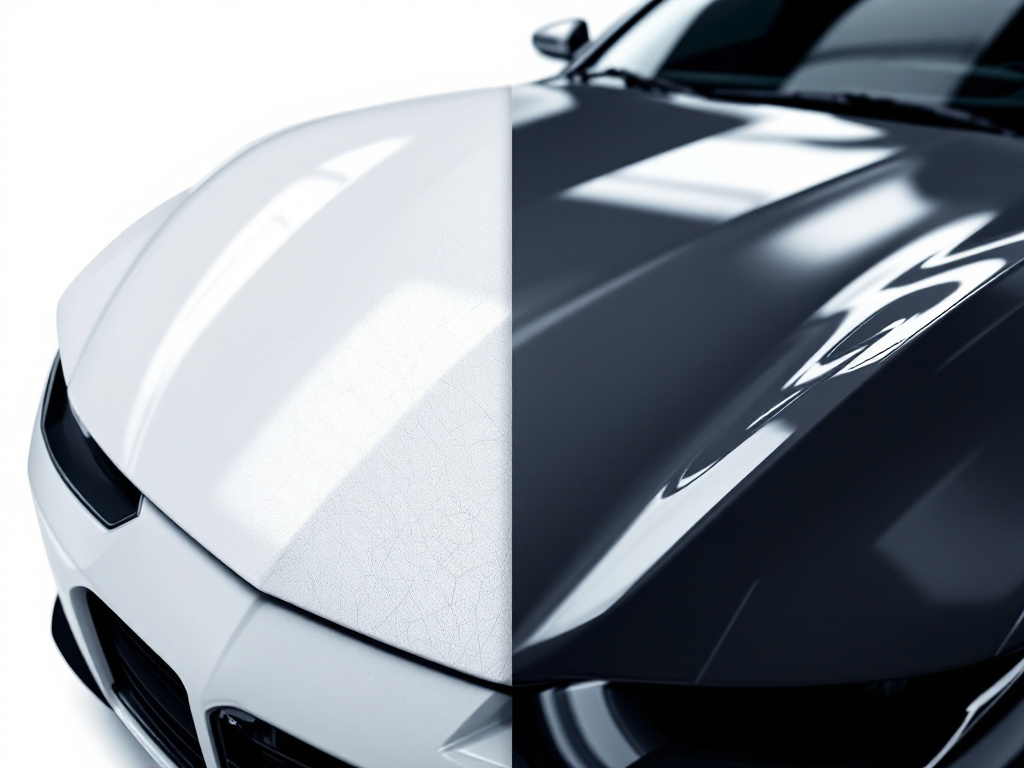
Paint Correction Stages Explained: Get the Best Results Now
Paint correction stages explained might sound like a mouthful, but it is simply the process of removing scratches, swirl marks, and other blemishes from your car’s clear coat. When pros talk about “stages,” they are describing how many polishing steps it takes to get your paint looking its best. Below, you will see exactly how these stages work, plus easy ways to decide which level of correction suits your vehicle.
Know paint correction basics
Paint correction removes tiny defects and evens out your vehicle’s clear coat. Rather than painting over imperfections, detailers carefully “shave down” the top layer using polishes and pads. It is a careful process that calls for the right tools and techniques. For example, professionals often do a test spot before tackling the entire car, according to ProTech Detailing in Phoenix (ProTech Detailing). By testing pressure, pad type, and polish on a small area, they can dial in the perfect combination without risking damage.
See how stages work
You will see references to Stage 1, Stage 2, or Stage 3 paint correction. This refers to how many separate polishing steps or “cuts” your paint needs based on how rough or smooth it is.
Stage 1: Mild correction
Stage 1 (often called single-stage paint enhancement) involves just one pass with a finishing polish and pad. If your paint looks good overall and only has faint swirl marks, this might be enough to freshen the shine. TidyRide explains that Stage 1 is best for minor marring and no deep scratches (TidyRide).
Stage 2: Moderate swirl removal
Stage 2 uses two polishing steps. First, a more abrasive compound and pad remove noticeable swirl marks, then a milder polish refines the shine. This two-step approach is usually enough for cars that have moderate scratches or swirl marks. If you want to review more about picking the correct mix for your specific vehicle, see our guide on choosing paint correction level.
Stage 3: Heavy correction
Stage 3 targets heavy scratching, deep swirl marks, and other major defects. The detailer might start with a heavy cutting compound (sometimes spot wet-sanding trouble spots), move to a less abrasive polish, then finish with a fine polish. TidyRide emphasizes that this thorough, multi-step method helps remove deeper marks without damaging the paint (TidyRide). If you want more insights about advanced techniques, take a look at our professional paint correction tips.
Prepare your vehicle first
Before any polish hits your paint, professionals recommend a thorough wash and decontamination process. This includes claying to remove stuck-on contaminants like tar or industrial fallout. According to Obsessed Garage, surface prep helps polishes and protective coatings bond better while giving you a true view of how much correction is needed (Obsessed Garage). If you skimp on washing or claying, small bits of dirt could end up in the polishing pad and add extra scratches.
Seal and protect the finish
Paint correction creates a sleek surface, but you want to keep it that way. Using either wax or a ceramic coating helps seal in results and shield your paint from future damage. Waxing is simpler but lasts a shorter time, around six to nine months. Ceramic coatings demand a bit more work, including an overnight cure period, but can protect your finish for a year or more. Obsessed Garage notes that letting ceramic coatings cure fully is key to solid bonding (Obsessed Garage).
Choose your next step
Picking which stage of paint correction you need is easier once you examine your car’s paint in good light and decide how perfect you want it. If you are after a quick shine-up with only faint scratches, Stage 1 might be enough. For cars with light to medium swirls, Stage 2 will usually do the trick. If your paint looks heavily scratched or cloudy, you will likely need Stage 3. Check out our vehicle paint correction levels to see how they compare, or explore car paint correction options to find a package that fits your goals.
Finally, if you are ready to make your paint look like new again, reach out to Vortex Detailing. From mild freshening to full restoration, they have the knowledge and equipment to protect your investment. It is your car, your pride, and your choice. You will love seeing that mirror-like shine every time you pull out of the driveway.
